
A Caregiver's Guide to Supporting a Loved One Through Cancer Treatment
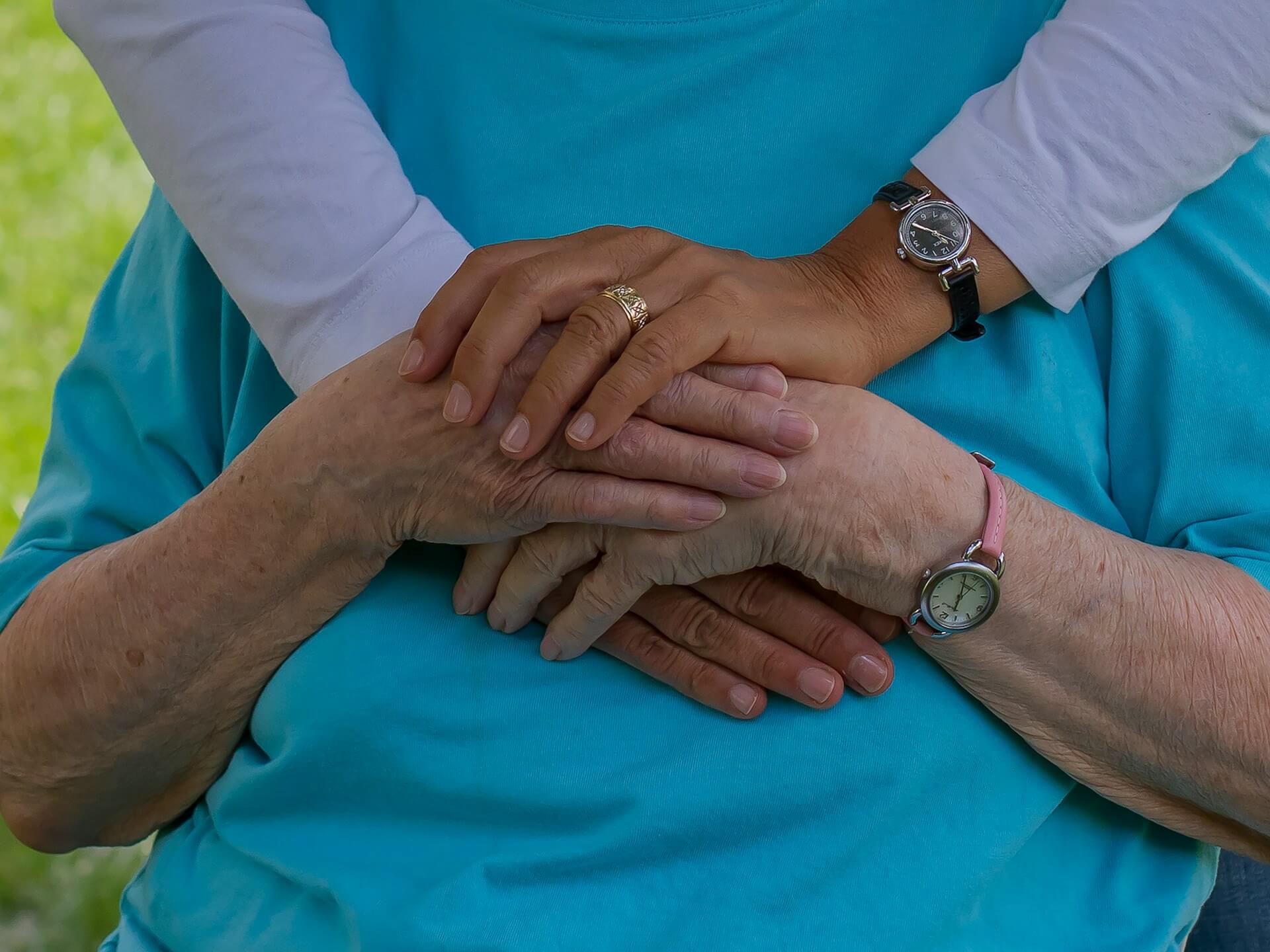
Nobody hands you a manual when you become a cancer caregiver. One day you're a spouse, a parent, a friend, and then a diagnosis arrives and the role expands into something much larger. You're still all of those things. But now you're also the person tracking appointments, handling phone calls, doing research at midnight, and trying to hold yourself together while someone you love faces one of the hardest experiences of their life.
This guide is for you.
Caregiving is a role, not just a feeling
Love is what brings you to caregiving. But caregiving itself is a set of functions that go well beyond emotion. You are, at various moments, a logistics manager, a medical advocate, a scheduler, a driver, a researcher, and a calm presence in rooms that don't feel calm at all.
Recognizing caregiving as a role, rather than just an extension of your relationship, matters practically: roles can be organized, delegated, and sustained. Feelings alone cannot. When you see yourself as someone with real responsibilities and real limits, you can start thinking about how to structure what you're doing, where you need help, and how to avoid running yourself into the ground.
That doesn't mean you stop feeling. It means you give yourself permission to be effective as well as present, and the caregivers who last longest are usually the ones who treat this as something to be managed thoughtfully, not just endured.
The first weeks: organize, don't optimize
In the weeks following a diagnosis, resist the urge to get everything right immediately. What you need is a foundation that's functional, not perfect.
Start with three things: one shared folder, one calendar, and one phone number for updates.
The shared folder, digital or physical, is where every document lives: pathology reports, imaging results, referral letters, discharge summaries. Set it up early, even if it's messy. The calendar is where every appointment, infusion, and lab draw gets logged. Include travel time and recovery time after exhausting procedures.
The single phone number for updates protects your loved one's energy. Designate one person as the point of contact and let others direct their questions there. A group text works well. The goal is to let your loved one talk to people they love, not give status reports.
Accept help when it's offered, and be specific. People want to do something. Give them something concrete. Meals on Tuesdays. Rides to the infusion center. A few hours so you can rest.
At appointments: be the second brain
One of the most valuable things you can do at every appointment is take notes. Your loved one is processing an enormous amount of information while managing fear and fatigue. They will not remember everything the doctor said. You will help fill in the gaps.
Write down every medication mentioned, every test ordered, every follow-up recommended. If something is unclear, ask the doctor to repeat it. That's not interrupting. It's advocating.
There are questions your loved one may not be able to ask in the moment, ones that feel too scary or too blunt. Your job is to ask them anyway: What happens if this treatment stops working? Are there clinical trials we should know about? What would you recommend for your own family member? A good oncologist will not be offended.
If your loved one agrees, recording appointments can be useful for reviewing later. Ask the physician at the start. Most will say yes.
Between appointments: the research role
Caregivers often become the primary researchers, not because the patient doesn't care, but because they frequently don't have the bandwidth. Treatment is exhausting. Thinking clearly about complex medical information while managing fatigue, nausea, or anxiety is a lot to ask of anyone.
Your role between appointments is to stay one step ahead: understanding what's been recommended, preparing questions for the next visit, and looking into options the care team may not have mentioned. Rely on information from major cancer centers, peer-reviewed organizations, and condition-specific patient advocacy groups. Be cautious with forums and social media. They can offer community, but also misinformation.
One area many caregivers don't research until it's too late: what happens to tumor tissue after surgery. When a tumor is removed, there is a narrow window to arrange custodial biobanking, a process that preserves living tumor cells for potential future use, including personalized treatment approaches and emerging therapies. Once the tissue has been processed by the hospital pathology lab, that window closes. This is the kind of time-sensitive option a surgical team may not proactively raise, and that a caregiver is often better positioned to investigate and bring to the table.
Think of your research role not as finding answers, but as generating the right questions, and making sure they get asked before a door closes.
Talking about hard decisions
At some point, you and your loved one will face decisions that are genuinely difficult: treatment tradeoffs, quality of life versus aggressive intervention, what to pursue if something stops working. These conversations are uncomfortable, but avoiding them is more costly than having them.
The most important thing before you get into specifics is to get aligned on goals. What matters most to your loved one right now? More time? Independence? Being present for a particular event? Goals can shift, but knowing what your loved one is orienting toward gives both of you a shared frame for evaluating options.
If you're not sure how to start, a palliative care team can help. Palliative care is not end-of-life care. It's specialized support for managing symptoms and navigating decisions at any stage of treatment. Don't wait for a crisis. The best time to understand your loved one's wishes is before a decision has to be made under pressure.
Taking care of yourself
Caregiver burnout is a predictable outcome of doing an enormous job without adequate support, and it is common. Cancer caregivers experience high rates of anxiety, depression, and physical exhaustion. The people who avoid it are not the ones who care less. They're the ones who take it seriously as a risk and do something about it.
You are allowed to rest. You are allowed to feel angry, resentful, or depleted. Those feelings don't make you a bad caregiver. Ignoring them until they overwhelm you might.
Build breaks into your schedule, not as a reward but as a requirement. Sleep matters. Whatever you did before this diagnosis to manage stress, try to keep some version of it alive. You cannot sustain this role running on empty.
If you're struggling, talk to someone: a therapist, a caregiver support group, or a trusted friend. You don't have to hold all of this inside.
Bottom line
Being a cancer caregiver is not a single act of love. It's dozens of small acts, repeated over months or years. Showing up to appointments. Taking notes. Asking the questions your loved one can't. Researching the options that weren't mentioned. Organizing the paperwork. Getting rest so you can do it again tomorrow.
Advocacy isn't one dramatic moment. It's the accumulation of consistent, informed, caring presence. That's exactly what you're already doing.
Kernis Health provides concierge coordination and tissue preservation services. This article is informational, not medical advice. Decisions about your care should be made with your oncology team.
Own your biology.
If you or someone you love is preparing for cancer surgery, the best time to plan for tissue preservation is now. Talk to our team and learn what your options are.
Get Started