
Newly Diagnosed with Cancer: What to Do in the First 72 Hours
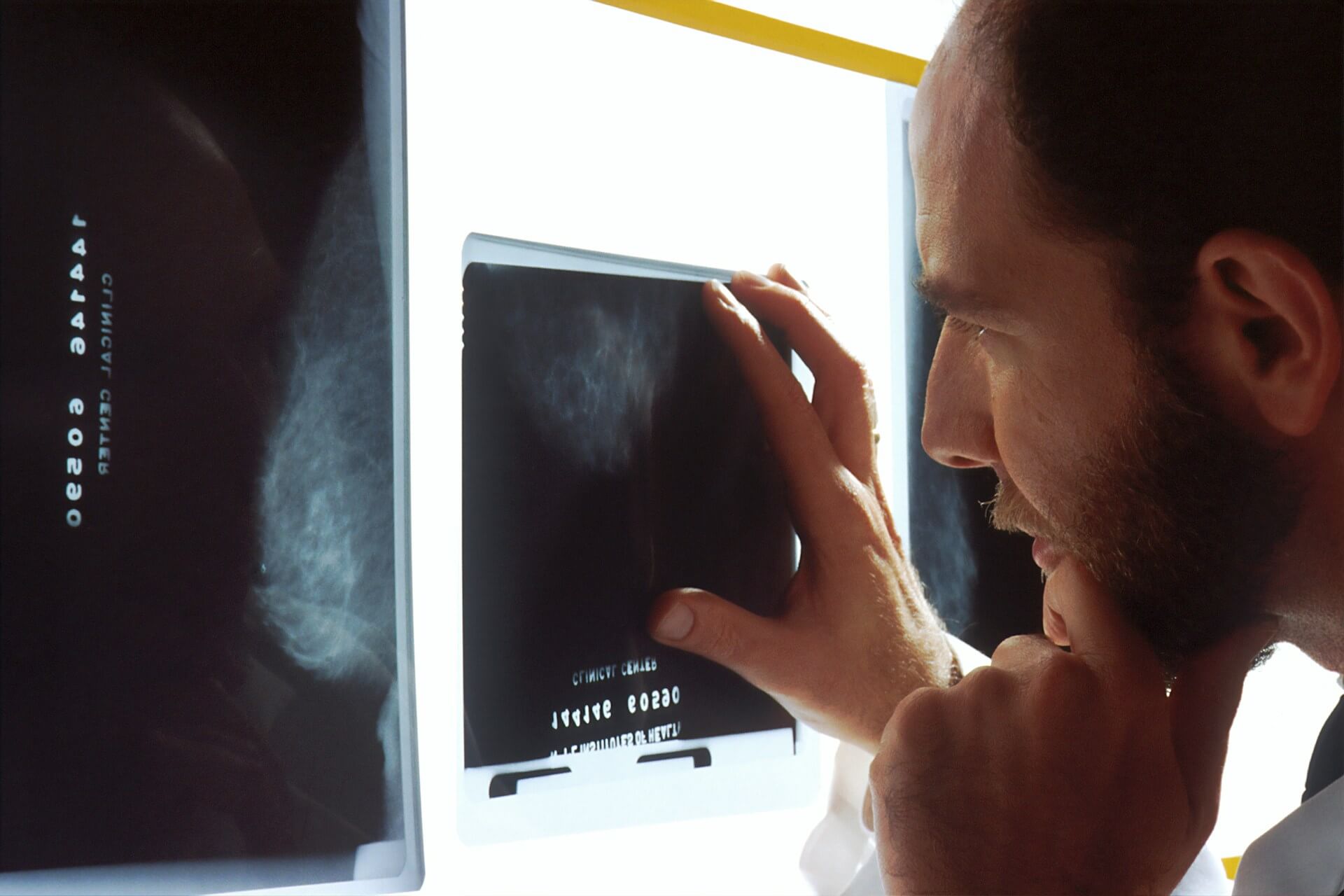
If you just received a cancer diagnosis, the first thing to know is this: almost nothing has to be decided today. The next 72 hours will feel urgent (and some things genuinely are), but the window for most major decisions is wider than it seems in this moment.
This guide walks through the first three days after a newly diagnosed cancer: what to focus on, what to gather, and the one thing that actually has a hard deadline you shouldn't miss.
Take a breath
The hours immediately after hearing a diagnosis can feel like a kind of static. You may have left the appointment already trying to research treatment options, calculate timelines, or figure out what to tell your family. That impulse makes sense. It's the mind trying to regain control.
But the instinct to act immediately can lead to decisions made on incomplete information and emotions that haven't settled yet. For most diagnoses, the first day is about absorbing the news, not acting on it. That's not avoidance. It's strategy.
Hour 0–12: What matters first
Before anything else, get your diagnosis in writing. If you received the news verbally, request a written summary from your care team. You'll need the specific language (cancer type, location, any preliminary findings) when you speak with other doctors or do your own research. Vague memory of what was said won't serve you well.
Don't try to make any major decisions right now. You don't have enough information yet, and the emotional weight of a new diagnosis affects how we think through choices. That's not a personal failing. It's human biology.
Tell one or two people you trust. You don't have to announce anything broadly. But having someone who knows (a partner, a close friend, a sibling) means you're not carrying this alone while you process it. Let yourself feel what you feel. Grief, fear, anger, and numbness are all reasonable responses. None of them mean you're handling this wrong.
Hour 12–36: Build your information base
Once the initial shock begins to settle, start gathering the information you'll need to make good decisions. This phase is about documentation, not conclusions.
Request copies of your pathology report and any imaging results. You're entitled to these records, and you'll want them in hand before meeting with additional specialists. Ask your care team specifically about stage and grade (these shape the entire treatment conversation), and whether any biomarker testing has been done or is planned. Biomarkers can significantly affect which treatments are most appropriate for your specific cancer, and not all care teams order this testing automatically.
Start a folder for everything. Physical or digital, it doesn't matter. Just one place where every document, test result, and physician note lives. You will be generating a lot of paper over the coming weeks.
Write down questions as they come to you. They'll arrive at odd hours, in the middle of the night, while you're in the shower. Keep a running list. The questions that feel too basic to ask are often the most important ones.
Hour 36–72: Assemble your team
By the end of the first 72 hours, your goal isn't to have a complete care team. It's to have started building one.
Your primary oncologist is the most important relationship to establish. If you don't already have one, your diagnosing physician can refer you. A second opinion from another oncologist or a major cancer center is also worth pursuing, even if you feel confident in your current care. A second set of eyes on the pathology and imaging is standard practice, not a sign of distrust.
Think about who your main caregiver or support person will be. This is the individual who will attend appointments with you, help you track information, and be a second set of ears in rooms where you're absorbing a lot at once. You don't need to have this fully figured out, but identifying someone early is useful.
Some patients also benefit from a patient advocate, someone trained to help you navigate the healthcare system, understand your rights, and coordinate between providers. It's worth knowing this role exists, even if you decide you don't need it yet.
Decisions that can wait
Not everything needs to be resolved in the first three days. In fact, rushing some decisions is counterproductive.
Your treatment plan, including whether surgery, chemotherapy, radiation, or some combination is the right approach, can almost always wait until you have full pathology results and have met with your oncologist. A surgery date is not something to confirm before you understand the full picture. And lifestyle changes (diet, supplements, exercise), while well-intentioned, aren't the priority right now. Get the right medical information first.
It's normal to feel like any delay is dangerous. For the vast majority of cancer diagnoses, a few days of additional information-gathering does not change outcomes, but it can significantly change the quality of the decisions you make.
Decisions that shouldn't wait
There is one decision with a genuine, hard deadline: what happens to your tumor tissue if surgery is scheduled.
When a tumor is removed, the tissue is processed by a hospital pathology lab. Once that processing happens, the tissue is no longer viable for custodial biobanking, a form of preservation that keeps living tumor cells available for potential future use, including emerging therapies and personalized treatment approaches. The window to arrange this closes when the surgery begins.
If surgery is on your near-term calendar, contact a biobanking service before that date, not after. The coordination between your surgical team and a preservation service has to happen in advance. It isn't something that can be added retroactively, and it requires only a brief conversation now to keep the option open.
If you don't yet know whether surgery is part of your treatment plan, keep this in mind as your plan takes shape. The moment a surgical date appears, tissue preservation becomes time-sensitive in a way that most other decisions don't.
Bottom line
The first 72 hours after a newly diagnosed cancer are about gathering information, not making final calls. Get your diagnosis in writing. Request your pathology. Start a folder. Tell someone you trust. Begin identifying your oncologist and your support person.
Do one thing at a time. Progress over perfection. The most important thing right now is getting the right information and the right people around you. Everything else follows from that.
Kernis Health provides concierge coordination and tissue preservation services. This article is informational, not medical advice. Decisions about your care should be made with your oncology team.
Own your biology.
If you or someone you love is preparing for cancer surgery, the best time to plan for tissue preservation is now. Talk to our team and learn what your options are.
Get Started