
How to Prepare for Tumor Tissue Preservation Before Surgery
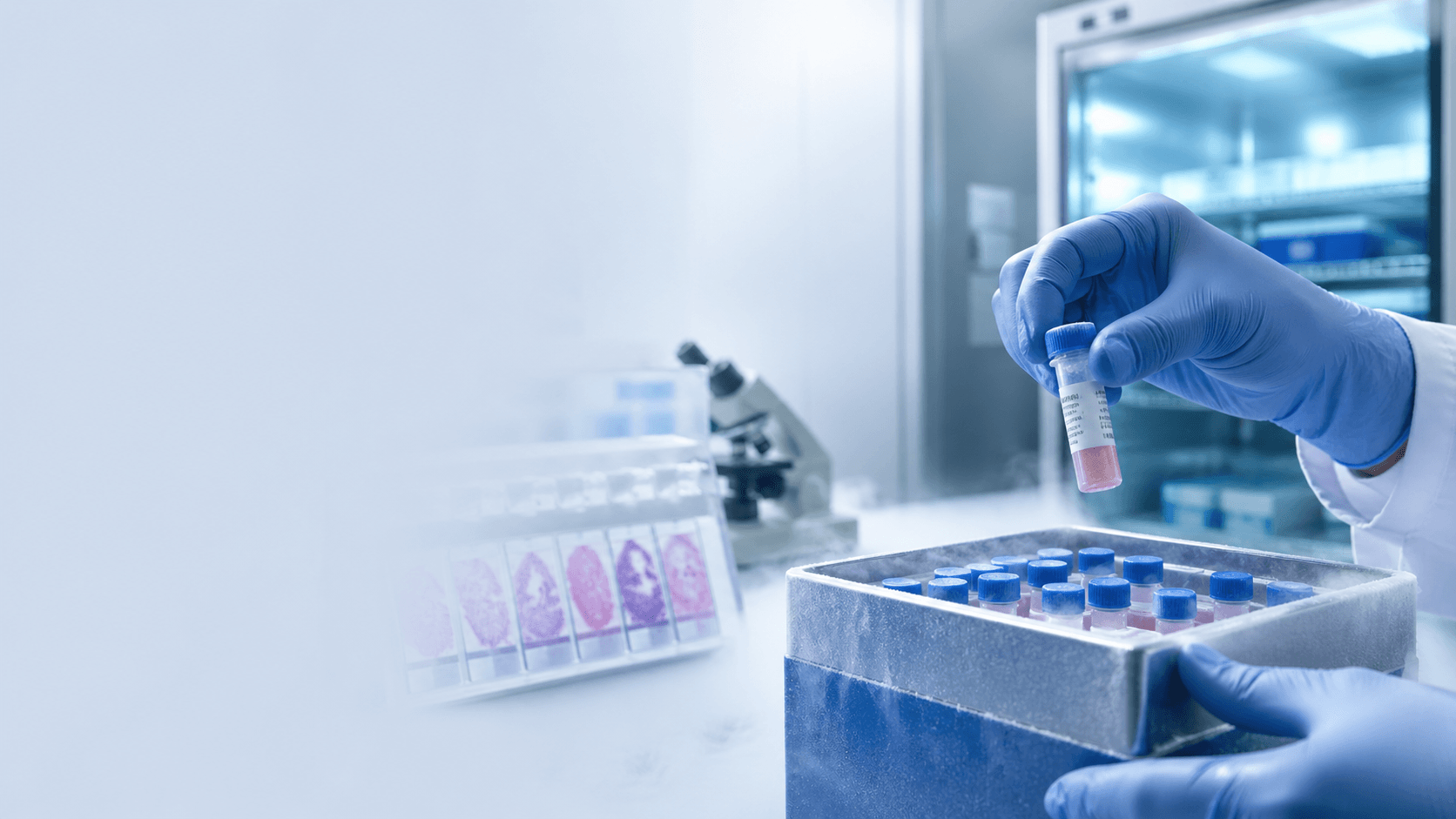
If you've recently been scheduled for a tumor removal or cancer surgery, you may have heard that preserving your tumor tissue is something worth considering. But like many aspects of a cancer diagnosis, the window to act is narrow, and timing is everything. This guide walks you through exactly what to do, and when, so that tumor tissue preservation can happen without adding stress to an already demanding time.
Why Timing Matters
Live-tissue preservation has to happen in the operating room, at the moment of surgery. The tissue must be collected, processed, and shipped within hours, before cellular viability is lost. That means all the coordination, consent, and logistics have to be in place before you arrive at the hospital.
Unlike genetic testing or medical imaging, this isn't something you can circle back to after the fact. Once the surgery is complete and the tissue has been discarded or sent to pathology without a preservation protocol in place, that opportunity is gone. The good news: if you know your surgery date, you have time to prepare. Late is worse than early, but early is very achievable.
As Soon as Surgery Is Scheduled
The moment you receive a confirmed surgery date, contact a custodial biobanking service to request a consultation. You don't need to have everything figured out. That's what the consultation is for. What you do need to have on hand:
- Your diagnosis details (cancer type, tumor location, stage if known)
- Your surgeon's name and the hospital or surgical center where the procedure will take place
- Your surgery date
Share this information with the biobanking team as early as possible. They need lead time to reach out to your surgical team, confirm facility protocols, and begin the coordination process. Many hospitals have never worked directly with a biobanking service before, which means the earlier your team starts the outreach, the smoother the process will be for everyone involved, including your surgeon.
At this stage, your primary job is simply to make the call. Everything else flows from that first conversation.
2–3 Weeks Before Surgery
With a few weeks of runway, you have time to make informed decisions without feeling rushed. This window is when most of the foundational work happens:
- Sign the service agreement and informed consent documents. Your biobanking service will walk you through what you're agreeing to, what will be collected, and how your tissue will be stored and accessed. Read these carefully and ask questions.
- Choose your preservation modalities. Depending on the service, you may have options for how your tissue is preserved (for example, cryopreservation for long-term storage, or formats optimized for near-term testing). Your biobanking coordinator can help you understand the tradeoffs.
- Confirm surgical team coordination is underway. Your biobanking service should have already contacted your surgeon or the hospital's tissue handling team. Ask for a status update. If there's any hesitation or unfamiliarity on the surgical side, your biobanking team should be the ones addressing it, not you.
This phase is about making decisions and confirming that the right pieces are in motion. You shouldn't be troubleshooting logistics yourself.
1 Week Before Surgery
With one week to go, the focus shifts to final confirmation. By this point, your biobanking service should be shipping, or have already shipped, a preservation kit to your surgical team. This kit contains everything needed to properly collect and transport the tissue sample in a way that maintains viability.
A few things to confirm at this stage:
- Has your surgeon acknowledged the kit? It's worth a brief check-in with your surgical team (or through your biobanking coordinator) to confirm the kit has been received and that the surgeon understands what's expected during sample collection.
- Do you understand the day-of logistics? Ask your biobanking team what happens after the sample is collected. Who picks it up? When does transport happen? Knowing this in advance removes uncertainty on an already stressful day.
If anything feels unclear at this stage, speak up. The goal is for you to walk into surgery knowing that the tissue preservation process is fully handled.
Day of Surgery
On the day of your surgery, your only job is to focus on your care and your recovery. The tumor tissue preservation process runs in parallel, managed entirely by your surgical team and your biobanking service.
Here's what happens behind the scenes: during the procedure, your surgeon collects a sample of the tumor tissue according to the protocol established in advance. That sample is then packaged using the preservation kit and handed off through a validated cold-chain logistics process, typically a temperature-controlled courier, to the biobanking lab. Every step from collection to receipt is tracked.
You don't need to manage any of this. That's the point of having a dedicated biobanking service: so that on the hardest day, the biology is being taken care of.
The Week After Surgery
Once your tissue arrives at the preservation lab, processing and quality control begin. The lab confirms that the sample meets viability standards and that preservation has been completed successfully.
Within days of your surgery, you should receive a confirmation from your biobanking service along with access to a chain of custody record: documentation of where your tissue has been from the moment it was collected to where it now lives in storage.
An important thing to know: you don't need to make testing decisions right away. Whether you want to use your preserved tissue for drug sensitivity testing, research, or something else entirely, that choice can be made now, or months from now, when you've had time to recover and consult with your oncology team. The value of preservation is precisely that it keeps your options open.
What If Your Surgery Is in a Few Days?
Call now. Don't assume it's too late before you've asked. Some biobanking services are built to coordinate within compressed timelines, and even a few days may be enough. The worst outcome is being told it's not possible, which is far better than never having asked. Pick up the phone today.
Kernis Health provides concierge coordination and tissue preservation services. This article is informational, not medical advice. Decisions about your care should be made with your oncology team.
Own your biology.
If you or someone you love is preparing for cancer surgery, the best time to plan for tissue preservation is now. Talk to our team and learn what your options are.
Get Started