
Why Your Tumor's Biology Matters More Than Its Location
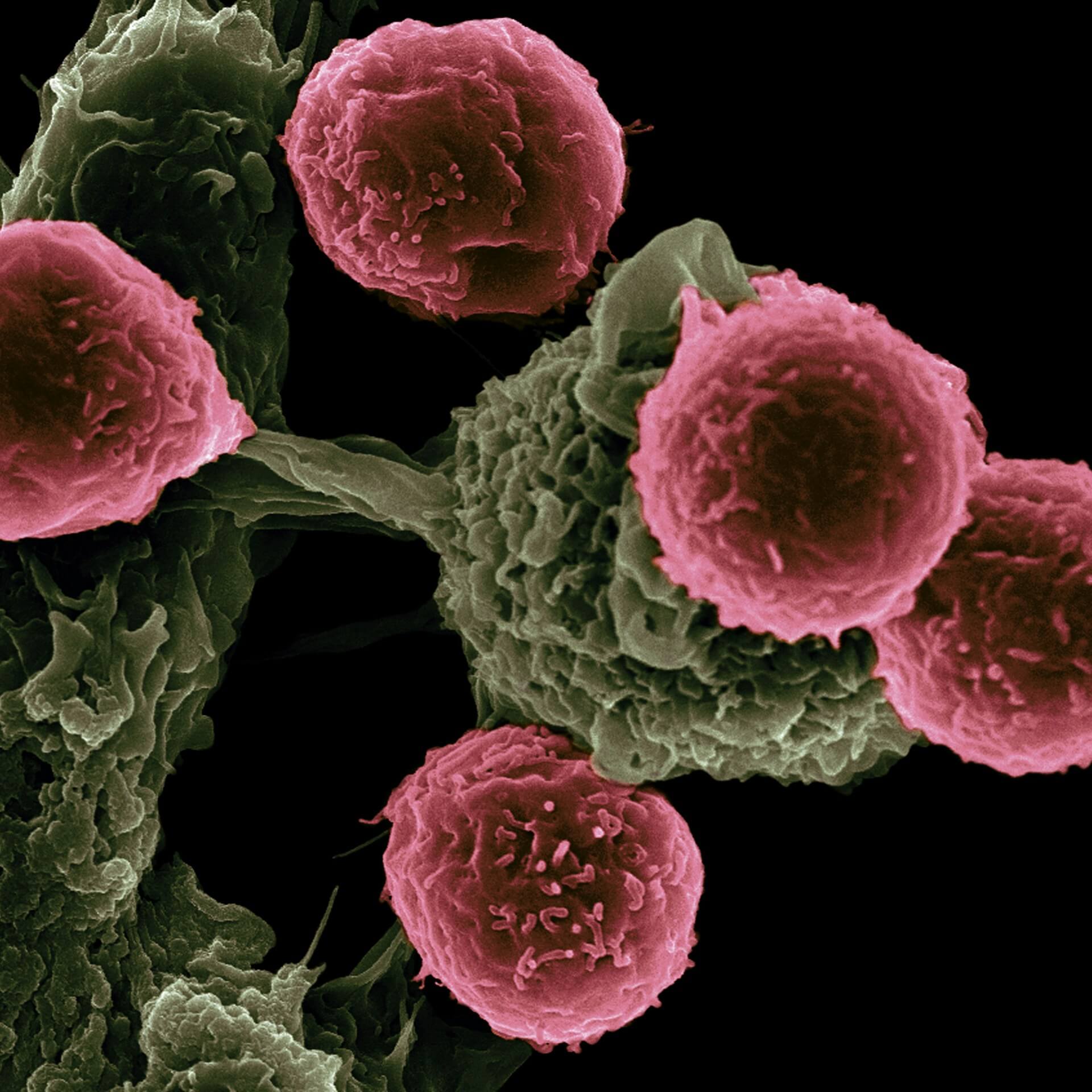
When someone is diagnosed with cancer, the first question asked, and usually answered, is where. Breast. Lung. Colon. Pancreas. That answer determines the name of the disease, the specialist who takes over care, and the treatment protocol that gets recommended. It has worked this way for decades. But location alone is an incomplete picture. The biology of the tumor (its molecular identity, its mutations, its gene activity) is often what determines how it behaves and what it responds to. Those two things are not always aligned.
A Tale of Two Patients
Imagine two people who receive the same diagnosis on the same day: stage II breast cancer. They are close in age, otherwise healthy, and treated at the same cancer center. By every standard measure, they belong to the same category and receive the same standard protocol.
But their tumors are not the same. The first patient's tumor is driven by estrogen receptor signaling and carries no known high-risk mutations. The second patient's tumor is estrogen receptor-negative, overexpresses a growth-promoting protein called HER2, and carries a different set of genetic alterations. Under a microscope they look similar. On a molecular level, they are fundamentally different diseases that happen to share a ZIP code (the breast) and a name.
A treatment plan derived from the shared name addresses both patients the same way. A plan informed by the biology of each tumor starts from a different premise. This gap between what a cancer is called and what it actually is at the molecular level is the central problem that biology-informed care is designed to close.
Why Location-Based Treatment Exists
The organization of cancer medicine around organ of origin is not arbitrary. It reflects how cancer research developed over more than a century. Physicians observed that tumors arising from the same tissue tended to behave similarly, spread to similar places, and respond to similar drugs. Clinical trials enrolled patients by diagnosis (breast cancer, lung cancer, colorectal cancer), and the evidence accumulated the same way. Oncology subspecialties formed around organ systems. The entire infrastructure of cancer medicine was built on the assumption that where a tumor started was the most reliable proxy for what kind of tumor it was.
That assumption held up well enough for a long time. But as molecular tools became more sophisticated, researchers found that two tumors sharing an organ-site label could be radically different underneath, and that tumors from different organs could share molecular features that made them behave similarly and respond to the same drugs. Location, it turned out, was a useful starting point, not a complete answer.
What Biology Reveals That Location Hides
Breast cancer is one of the clearest examples. What gets called breast cancer is not a single disease. Molecular profiling has established at least four major subtypes (luminal A, luminal B, HER2-enriched, and triple-negative), each with distinct patterns of gene expression, different rates of growth, different risks of recurrence, and different responses to treatment. Two patients with "breast cancer" may share almost nothing at the molecular level. Treating them identically because they share a tissue of origin is not precision. It is averaging.
The same phenomenon appears across cancer types. A lung tumor with an EGFR mutation behaves differently from one with an ALK rearrangement or a KRAS mutation, even though all three originate in the same tissue. A colorectal tumor with high microsatellite instability responds to immunotherapy in a pattern quite unlike MSS-stable colorectal cancer.
What molecular profiling reveals is that the relevant categories for treatment are often not anatomical. They are defined by mutations, by patterns of gene expression, by which proteins are overexpressed, by which signaling pathways are active. These biological features, not the tissue where the cancer happens to have started, are what determine how a tumor is likely to grow, spread, and respond to intervention. Location tells you what cells a tumor descended from. Biology tells you what it has become.
Tumor-Agnostic Treatments
The clearest sign that the field has recognized this shift is the emergence of what regulators and clinicians call tumor-agnostic therapies: treatments approved based on a tumor's molecular characteristics rather than its site of origin.
The concept is straightforward: if a specific mutation or molecular feature drives tumor behavior regardless of where the tumor started, then a therapy that targets that feature may be applicable across cancer types. The approval does not say "for lung cancer" or "for colon cancer." It says "for any solid tumor with this molecular profile," provided the tumor is identified through an approved test.
Microsatellite instability-high (MSI-H) status was among the first such biomarkers to support a tumor-agnostic regulatory designation. NTRK gene fusions, RET fusions, and TMB-high status have followed. In each case, the logic is the same: the molecular feature is what matters, not the organ. A pediatric patient with a solid tumor carrying an NTRK fusion, a lung cancer patient, and a colon cancer patient with the same fusion may all be candidates for the same targeted therapy, not because their cancers are the same, but because a specific molecular mechanism is shared.
Tumor-agnostic approvals remain a small fraction of the overall treatment landscape. But they represent a meaningful reorientation in how the field thinks about classification, and they only become relevant to a patient if their tumor has been molecularly characterized through testing.
What This Means for Your Care
Standard protocols are a reasonable starting point. They reflect the best available evidence across large populations. But biology-informed care requires going further, and that requires knowing the molecular profile of your tumor. Biomarker testing generates the information oncologists need to determine whether a patient's tumor belongs to a subgroup that warrants a different approach. Some of that testing can be done on standard pathology material. Some requires fresh or frozen tissue collected at the time of surgery.
The practical implication is that biology-informed care depends on access to tissue. The questions that matter most about a tumor's molecular identity can only be answered if the right biological material has been preserved, a decision that is almost always made at surgery, before the full molecular picture is known.
Bottom Line
A cancer's location tells you what the disease is called. Its biology tells you what it actually is. The name matters for navigating the healthcare system, finding the right specialist, and understanding the evidence base. But the molecular identity of your specific tumor (its mutations, its expression profile, its biomarkers) is what ultimately determines how it behaves and what it is most likely to respond to. Preserving tissue in formats that support molecular characterization is how you keep that information within reach.
Kernis Health provides concierge coordination and tissue preservation services. This article is informational, not medical advice. Decisions about your care should be made with your oncology team.
Own your biology.
If you or someone you love is preparing for cancer surgery, the best time to plan for tissue preservation is now. Talk to our team and learn what your options are.
Get Started