
Cancer Clinical Trials: What They Are and How to Access Them
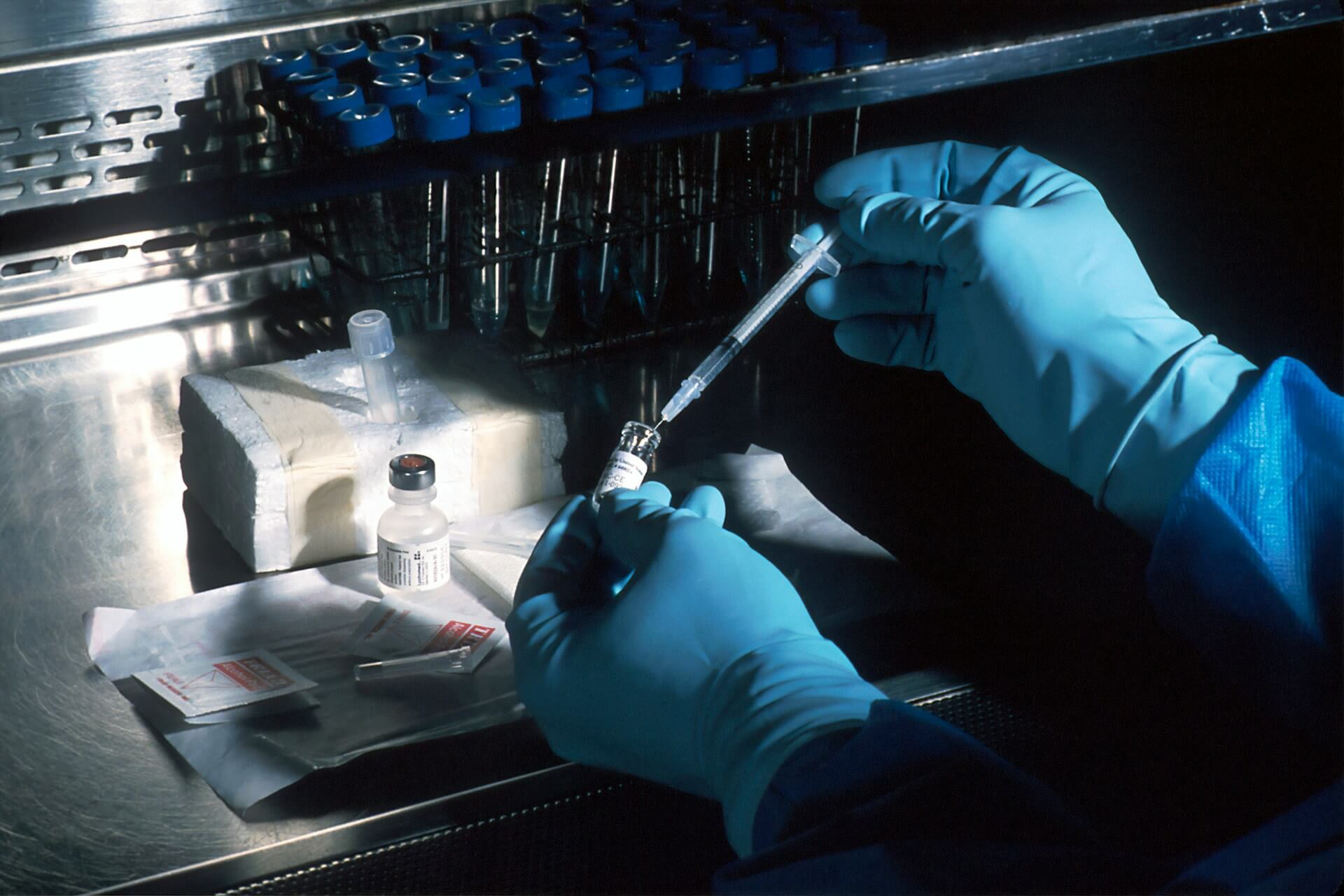
For many patients, the phrase "clinical trial" carries an association with last resorts: experimental treatments tried when nothing else remains. That association is largely wrong. Cancer clinical trials are structured research studies designed to evaluate new treatments, new combinations of existing treatments, or new ways of using approved drugs. They operate under strict regulatory oversight and are open to patients at many stages of disease, not only those who have exhausted other options.
Understanding how clinical trials work, and how to find the right ones, is increasingly part of informed cancer care. Some patients discover that a trial offers their best current option. Others participate because trials extend access to treatments not yet commercially available.
Phases and What They Mean
Clinical trials are organized into phases, each designed to answer different questions about a treatment. The phase a trial is in tells you a great deal about what is and isn't yet known.
Phase 1 trials focus on safety. Designed to determine tolerable doses and side effects, they typically enroll small patient groups, often people for whom standard options are limited. Efficacy is observed but is not the primary goal.
Phase 2 trials expand the group and shift focus toward efficacy: does the treatment work, at what dose, and in which populations? These trials often require specific biomarker profiles, because the study is designed to test the treatment in those most likely to respond.
Phase 3 trials compare the new treatment directly against the current standard of care in large, often multi-site studies. They provide the evidence needed for regulatory approval and frequently offer access to treatments that represent a genuine therapeutic advance.
Phase 4 trials occur after regulatory approval. They monitor long-term outcomes, identify rare side effects, and study the treatment in broader patient populations than the original approval studies included.
Why Some Patients Benefit from Trials
Clinical trial participation is not the right choice for every patient in every situation, but there are specific circumstances in which it deserves serious consideration.
Patients whose tumors carry a specific mutation or biomarker profile may find that a trial targeting that profile offers better-matched treatment than what is currently approved. Standard protocols are built around what works for most patients; trials are increasingly built around what might work for specific biology. For a patient whose tumor has an uncommon driver mutation, a targeted Phase 2 trial may be more precisely aligned with their disease than the available standard options.
Participation also typically brings closer medical monitoring. Trial protocols involve more frequent assessments, more detailed imaging, and more laboratory work than standard care, which means changes in disease status may be detected earlier.
Some patients choose trial participation because of the contribution it makes to research. For many people, this is genuinely meaningful: the data generated from their treatment may inform care for future patients with the same diagnosis.
How Trials Are Found
ClinicalTrials.gov, maintained by the U.S. National Institutes of Health, is the most comprehensive public database. It lists the majority of cancer trials open in the United States and many international studies, with filters for cancer type, location, phase, and recruitment status. Searching it effectively takes some practice, since a single diagnosis may map to many different trial categories depending on stage, prior treatment, and molecular profile.
Oncologist referral remains one of the most reliable pathways. Oncologists at academic medical centers and NCI-designated cancer centers typically have direct knowledge of relevant open trials and can refer patients to studies at their own institution or other sites.
Major cancer centers often have dedicated trial matching programs: clinical staff whose role is to identify trials that fit a given patient's profile and connect them with the research team. Third-party trial matching services have also emerged; they vary in database coverage and matching depth, but can be especially useful for patients treated outside large academic centers.
What Eligibility Looks Like
Every clinical trial defines eligibility criteria: the specific requirements a patient must meet to enroll. These criteria exist to protect patient safety, to ensure that the trial answers its scientific questions, and to identify the patient population in which the treatment is being evaluated.
Common eligibility factors include age, cancer type, disease stage, and treatment history. A trial may require that patients have received a specific number of prior lines of therapy, or that they have not received a particular drug class. Performance status, a standardized measure of physical functioning, is also commonly used.
Increasingly, trials require specific biomarker profiles. A patient whose tumor does not carry the mutation being targeted by the trial is ineligible, regardless of their diagnosis or stage. This makes molecular profiling a prerequisite for trial matching in many cases, and profiling requires tissue.
Organ function, measured through blood tests, is another standard criterion. Many trials specify minimum thresholds for liver, kidney, and bone marrow function, because the treatment being studied is processed through those systems.
The Tissue Problem
One eligibility factor that is not always visible until it becomes a barrier is the tissue requirement. Many trials require a minimum quantity of tumor tissue (either from the original surgical specimen or from a more recent biopsy) for molecular confirmation that the patient's tumor meets the trial's biomarker criteria. Some trials require fresh or frozen tissue for specific analyses that cannot be performed on standard fixed pathology samples.
Patients who did not arrange for tissue to be preserved beyond what was collected for routine pathology may find themselves unable to provide what a trial requires. The original tumor is gone. A rebiopsy may not be feasible, or may not yield adequate material. In those situations, trials that would otherwise match the patient's diagnosis and prior treatment history become inaccessible because of a tissue gap that could have been addressed at the time of surgery.
This is not a hypothetical problem. It is one of the more common practical barriers patients encounter when exploring trial options after initial treatment.
Bottom Line
Ask about clinical trials early, ideally before surgery and not after. The best time to understand what trials might be relevant to your diagnosis and what tissue those trials would require is while you still have tissue to preserve. An oncologist who knows you are interested in trial participation can factor that into tissue collection decisions at the time of surgery. Retroactively, those decisions cannot be undone.
Kernis Health provides concierge coordination and tissue preservation services. This article is informational, not medical advice. Decisions about your care should be made with your oncology team.
Own your biology.
If you or someone you love is preparing for cancer surgery, the best time to plan for tissue preservation is now. Talk to our team and learn what your options are.
Get Started