
What Is Functional Drug Testing and How Does It Work
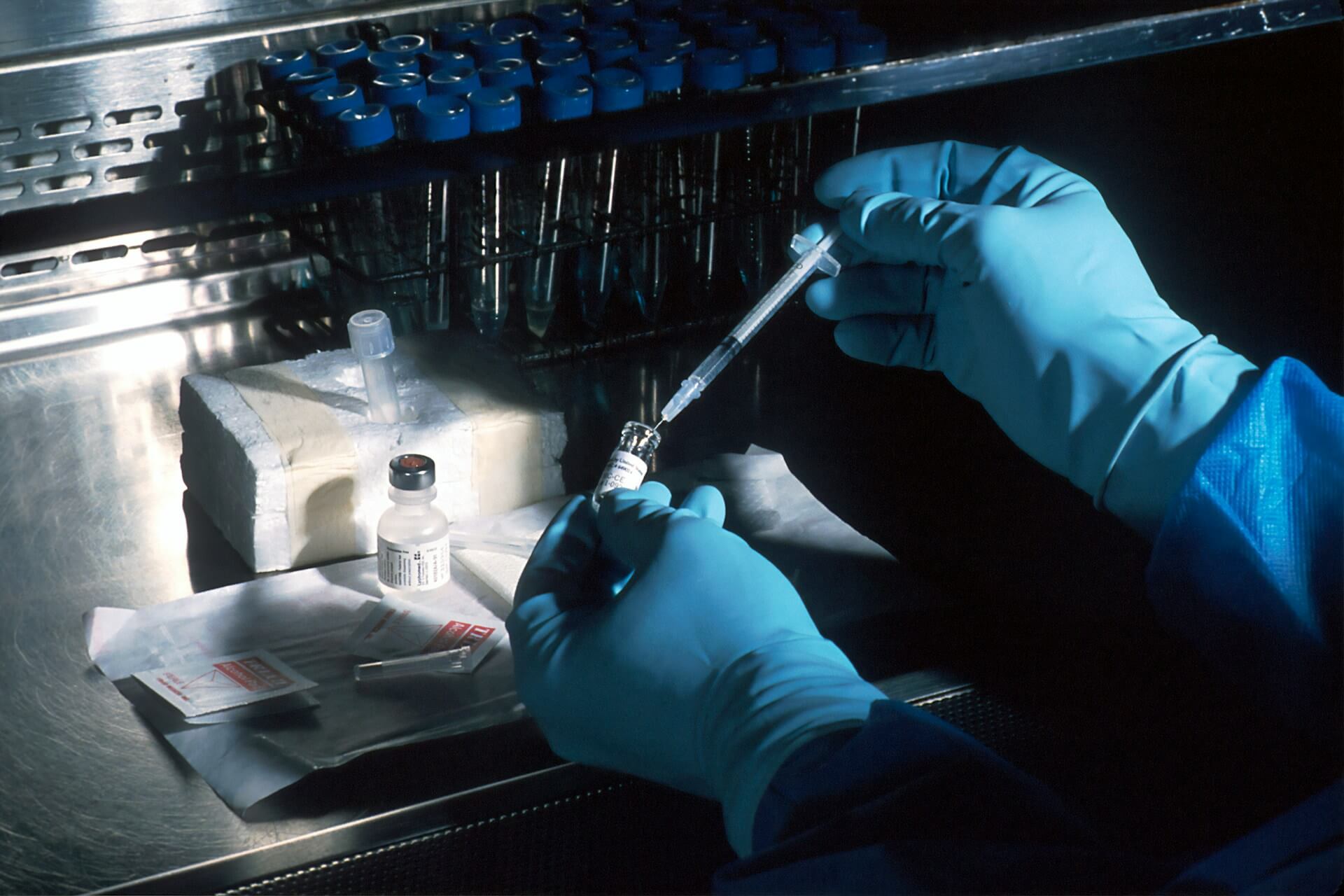
When a cancer patient faces a menu of treatment options, the question of which one to choose is rarely straightforward. Standard approaches rely on population-level statistics, molecular markers, and clinical guidelines, all useful but none of them specific to you. Functional drug testing takes a different approach: rather than predicting how a drug might work based on what it does in other patients, it tests that drug directly on cells from your own tumor.
The Core Idea
Functional drug testing is exactly what it sounds like. Tumor cells are preserved after surgery, grown in the laboratory, and then exposed to candidate treatments. The question is simple: does this drug kill these cells? The answer comes not from inference or probability, but from direct observation. Cells either respond or they do not. This approach moves decision-making closer to the individual patient rather than relying solely on what worked for a population that may or may not share your tumor's biology.
How It Is Different From Genomic Testing
Genomic testing, including next-generation sequencing and liquid biopsy, reads the DNA of tumor cells to identify mutations, amplifications, or alterations that are known to correlate with drug sensitivity or resistance. It has become a cornerstone of modern oncology and has dramatically expanded treatment options for many cancer types. But it works through inference: if your tumor has mutation X, then drug Y has historically worked well in patients with that mutation.
Functional drug testing measures response directly. Instead of asking what the DNA says about how a drug might behave, it asks what actually happens when that drug encounters your cells. This distinction matters because two tumors with identical genomic profiles can still respond very differently to the same drug. Biology is more complex than any single layer of molecular data can capture.
Importantly, these two approaches are not competitors. They are complementary. Genomic testing can identify targets that functional testing might then help prioritize. Functional results can validate or challenge what the genomics suggest. Used together, they give clinicians a richer picture of the tumor than either approach provides alone. Many research programs and clinical collaborations are now exploring how to integrate both types of data to support more informed treatment decisions.
What the Test Looks Like
The process begins with live tumor tissue: cells that must be preserved in a viable state immediately after surgical removal. Once in the laboratory, those cells are cultured and often grown into three-dimensional structures called organoids: miniature, self-organizing models that more closely replicate the architecture and behavior of the original tumor than flat, two-dimensional cell cultures can.
Once the cells or organoids are established, they are divided and exposed to a panel of candidate drugs, often including individual agents and combinations. The readouts measured vary depending on the platform and the research question, but common metrics include:
- Cell viability: what proportion of cells survive after drug exposure
- Growth inhibition: whether the drug slows or arrests tumor cell proliferation
- Apoptosis: whether the drug induces programmed cell death
- Dose-response relationships: how sensitive the cells are at different drug concentrations
Each drug or combination is typically tested across a range of concentrations to establish how sensitive the cells are and at what level a meaningful effect occurs. The results are compiled into a profile that characterizes how the tumor cells responded to each agent tested. That profile is then available to the oncology team as one data point, among others, when evaluating treatment paths.
What It Can Inform
Functional drug testing is most useful when there are multiple plausible treatment options and a clinician is trying to determine which of them is most likely to be effective for a specific patient. It can help differentiate between agents within the same drug class, or identify one regimen as a more promising starting point among several that are clinically acceptable.
Beyond identifying which drugs show activity, functional testing can also illuminate the mechanisms by which a tumor resists treatment. Understanding resistance patterns, even before a first treatment is given, can inform contingency planning and help a clinical team think ahead about what options remain if initial therapy does not work as hoped.
Functional data can also support the evaluation of drug combinations. Some cancer cells that are individually resistant to two separate agents may show sensitivity when those agents are combined, an effect that would not be apparent from genomic data alone. Functional testing can surface these synergies in a controlled laboratory setting.
What It Cannot Do
Functional drug testing is a model, not a guarantee. Laboratory results reflect how cells behave in a controlled environment, which is an approximation of what happens inside the human body, not a perfect replica. Factors like drug pharmacokinetics, immune system interactions, tumor microenvironment, and patient physiology all shape treatment outcomes in ways that in vitro testing cannot fully capture.
Results from functional testing inform clinical decisions; they do not replace clinical judgment. An oncologist weighs functional data alongside the patient's overall health, treatment history, genomic findings, and institutional guidelines. The goal is to make that judgment better-informed, not to automate it. Patients should approach functional testing as one additional tool in the decision-making process, not as a definitive predictor of what will or will not work.
What You Need for It
The single most important prerequisite for functional drug testing is live tumor tissue. Unlike standard pathology, which can be performed on fixed or preserved specimens collected years earlier, functional testing requires cells that are still viable: cells capable of growing, dividing, and responding to drugs in the laboratory.
That means the window for obtaining usable material is narrow. Tumor tissue must be collected at the time of surgery and preserved immediately in a way that maintains cell viability. Standard formalin fixation, the default for diagnostic pathology, renders cells non-viable and cannot be used for functional testing. Cryopreservation (controlled-rate freezing in a medium that protects cell membranes) is the method required to keep cells alive long enough to be cultured and tested.
This is why the decision to preserve tissue for future functional testing must be made before surgery, not after. Once the surgical window has closed, the opportunity is gone. Planning ahead, and working with a facility that specializes in live tissue preservation, is the step that makes everything else possible.
Kernis Health provides concierge coordination and tissue preservation services. This article is informational, not medical advice. Decisions about your care should be made with your oncology team.
Own your biology.
If you or someone you love is preparing for cancer surgery, the best time to plan for tissue preservation is now. Talk to our team and learn what your options are.
Get Started